When you’re getting quotes for electrical work, licensing can feel like fine print, something to check off rather than something to actually think about. It shouldn’t be. Here’s why it matters, and what’s at stake if it’s skipped.
The legal baseline
In California, any electrical contracting work valued at $1,000 or more in combined labor and materials requires a licensed C-10 electrical contractor. Most real electrical work, especially anything involving a permit, like a panel upgrade or a new circuit, falls above that threshold. This isn’t a minor technicality. It’s the legal standard for who is allowed to do this work on your home.
What licensing actually protects
The license itself is really a proxy for a few things that matter a lot more once the work is done:
Insurance and bonding. A licensed contractor carries insurance that protects you if something goes wrong during the job, whether that’s property damage or a jobsite injury. Unlicensed work typically has none of that protection, which means you’d be the one absorbing the risk.
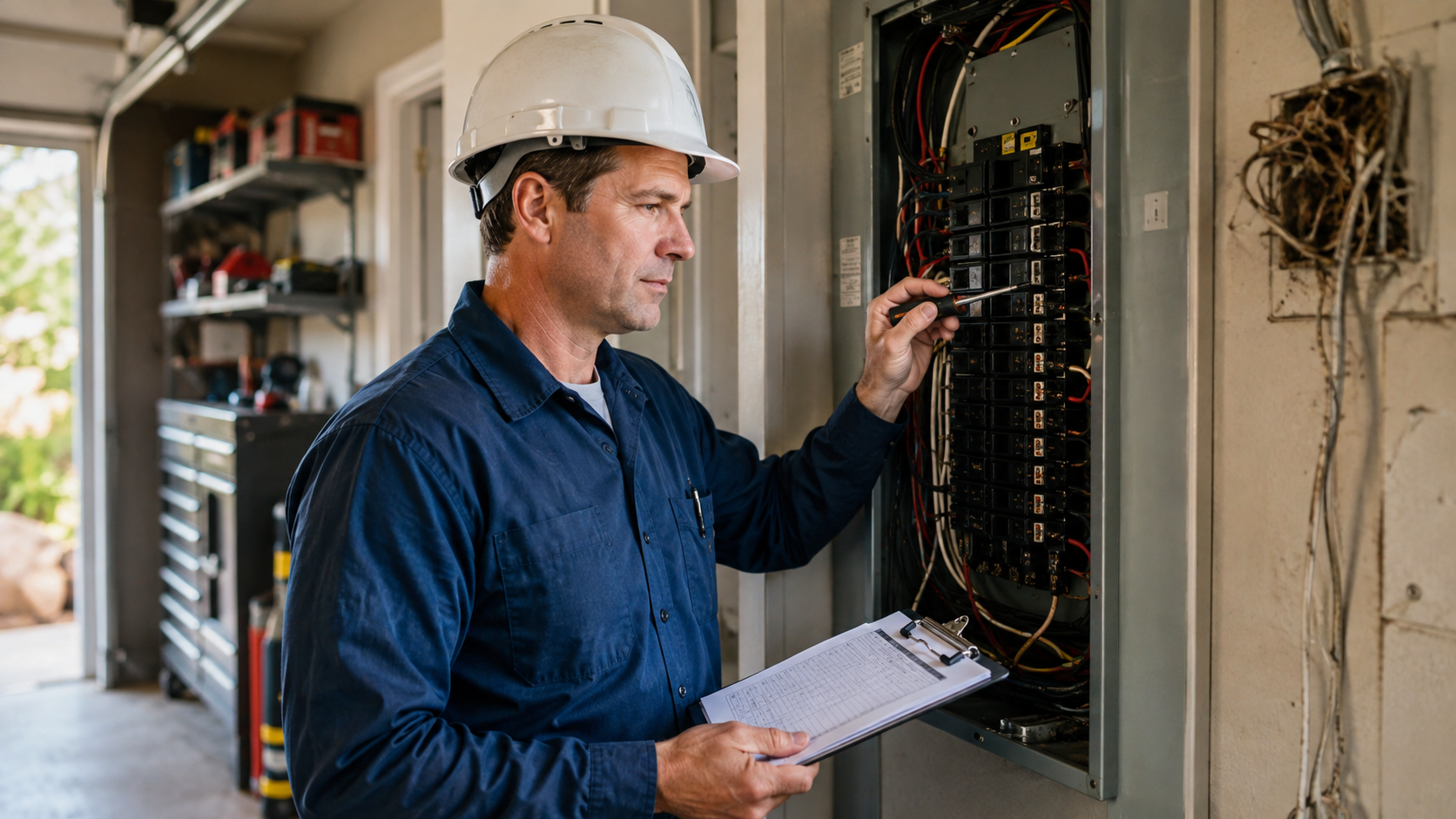
Inspection and code compliance. Permitted electrical work gets inspected, which means an independent check that the job was done correctly and safely. Unlicensed or unpermitted work skips this step entirely, so problems can go unnoticed until they cause a bigger issue.
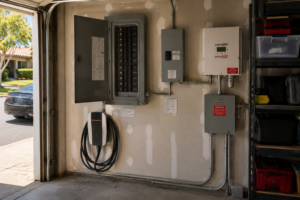
Warranty protection. For work like EV charger installations, a licensed and properly permitted installation is often required to keep the charger’s manufacturer warranty intact. Skipping licensed installation can quietly void coverage you’re counting on.
What happens if you skip it
The risks aren’t abstract. A miscalculated circuit or an incorrectly sized breaker can trip repeatedly, damage equipment, or in worse cases, create a fire hazard. If you ever sell your home, unpermitted electrical work can also surface during a buyer’s inspection and become a negotiating problem, or a costly one to fix retroactively. Last but not least, California has very little protection for an unsuspecting homeowner in terms of recourse if something goes wrong when you hire an unlicensed contractor. You could be left holding a very expensive bag.
What to look for when you’re hiring
A straightforward way to protect yourself is to simply ask for the contractor’s C-10 license number and confirm it’s active. A legitimate, licensed contractor will have no hesitation providing it, and it’s a quick way to separate a properly insured, code-compliant job from one that could cost you more down the line.
The bottom line
Licensing isn’t just paperwork. It’s the difference between electrical work that’s insured, inspected, and built to last, and work that leaves you exposed if something goes wrong. It’s worth asking about upfront, every time.